Understanding Menopause
Menopause is a natural phase marking the end of menstrual cycles and fertility. What it is, common symptoms, and how to manage them.

Menopause is a natural phase in a woman's life, marking the end of her menstrual cycles and fertility. It typically occurs between ages 45 and 55, but can vary. Here is what you need to know.
What is menopause?
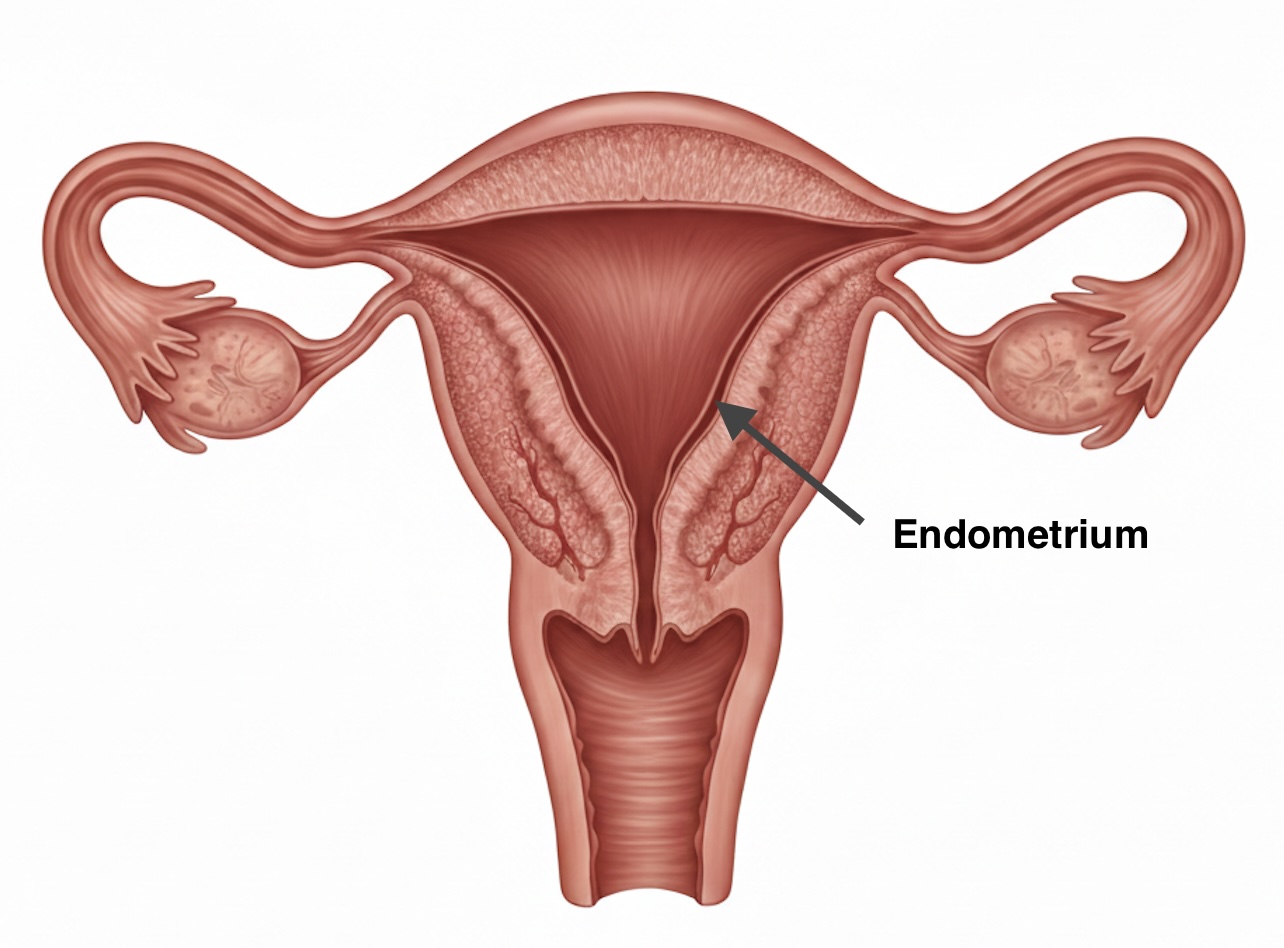
Menopause is defined as the absence of menstrual periods for 12 consecutive months. It signals the end of ovarian function and a decrease in hormone production, particularly estrogen and progesterone.
Common symptoms
- Hot flashes: sudden, intense feelings of warmth, often with sweating.
- Irregular periods: changes in cycle length, flow, or frequency.
- Sleep disturbances: difficulty falling or staying asleep.
- Night sweats: sweating episodes during sleep that disrupt rest.
Managing symptoms
- Lifestyle adjustments: maintain a healthy diet, exercise regularly, and stay hydrated.
- Stress reduction: practise relaxation techniques such as yoga or meditation.
- Medical treatments: consult a healthcare provider about hormone replacement therapy (HRT) or other treatments.
When to seek help
If symptoms are severe or affecting your quality of life, seek advice from a healthcare professional. They can offer guidance tailored to your specific needs.
Menopause is a significant life transition, but with the right information and support, it can be managed effectively.