Food and Supplements During Pregnancy
A practical guide to what to eat, what to avoid and which supplements are usually recommended while you are pregnant.
What to eat when pregnant
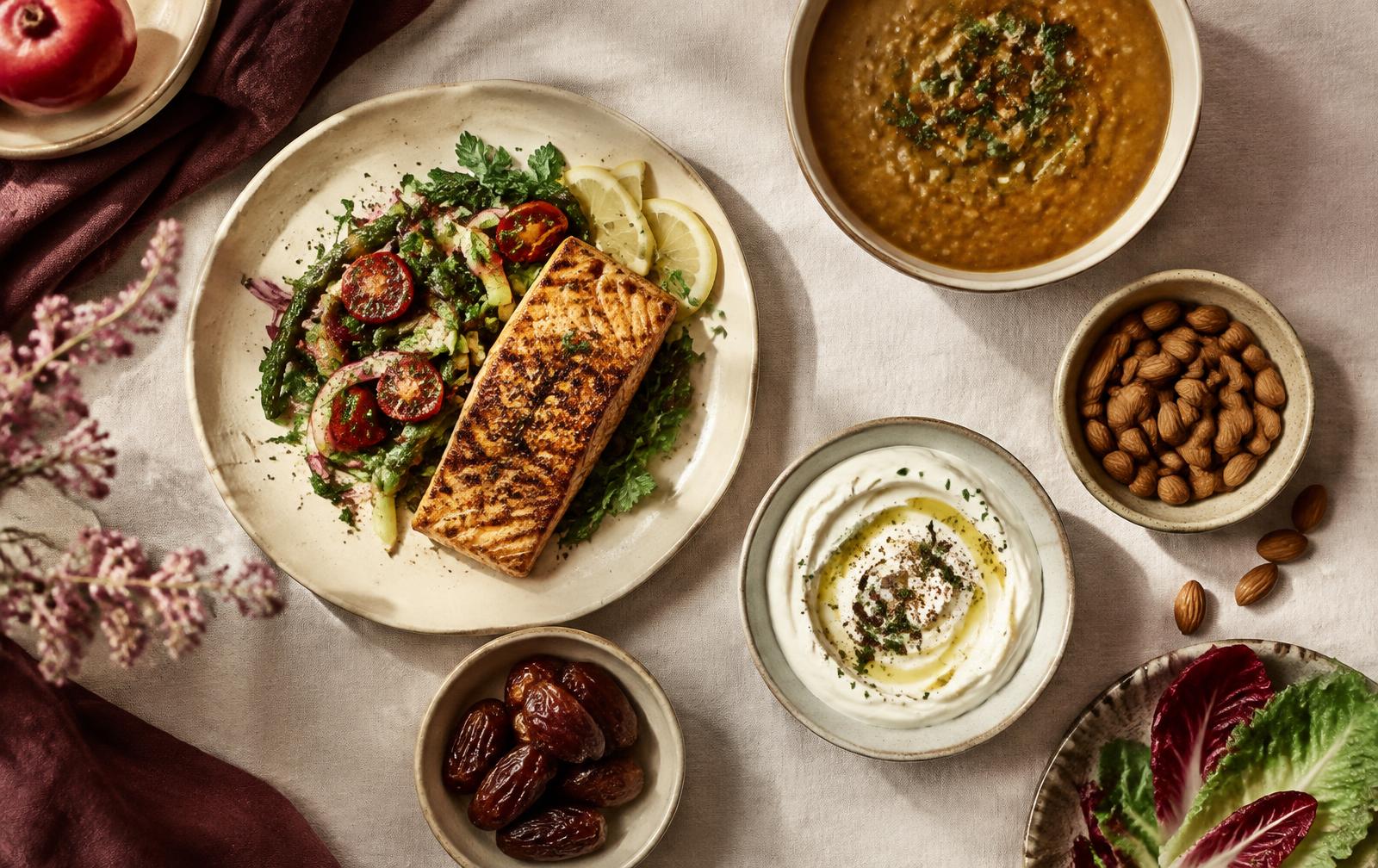
During pregnancy, it is important to fuel the body with a balanced diet in order to promote healthy growth of the baby. Although you may find yourself eating more, you do not need to eat for two. Instead, it may be enough to add some extra snack times during the day. Many have an increased appetite as the pregnancy progresses, which helps guide how much more to eat.
Whilst many foods can be enjoyed during pregnancy, it is recommended to avoid certain foods that can harm the growing baby. Below you will find the different food groups and recommendations for each.
Meat
Meat is a good source of iron and protein during pregnancy, but care needs to be taken when choosing certain meat products and cooking the meat.
- Liver and liver products are not usually recommended because they contain high levels of vitamin A, which can be harmful to the baby.
- Dried meat is best avoided as it can contain bacteria and parasites such as toxoplasma and listeria, unless used in a dish cooked on high heat.
- Mortadella and ham can also carry harmful bacteria and should only be eaten if cooked thoroughly in a hot dish.
- Rare and medium-rare meat can carry the parasite toxoplasma, so meat should be cooked well done, or at a minimum medium-well, with no pink or blood.
- Game meat: avoid cuts near the bullet wound, as bullets usually contain lead. Steaks and fillets are usually fine; sausage, stews and mince made from game are best avoided.
Eggs
Make sure eggs are cooked all the way through and avoid products that contain raw eggs such as mousse or homemade mayonnaise, as they can contain bacteria. Supermarket mayonnaise is usually made with pasteurised eggs so it is fine, but check the label if you can.
Fish
Fish is a great source of protein, healthy fats, omega-3, vitamin D and iodine. Eating fish 2–3 times per week and varying the type is recommended. At DN Clinic we recommend avoiding raw fish such as smoked salmon and raw sushi during pregnancy due to the risk of infection.
The following fish can contain high amounts of mercury and should be avoided: swordfish, shark, bigeye tuna (fresh tuna), king fish / king mackerel, marlin and eel.
Good choices, 2–3 servings per week altogether: anchovy, cod, flounder, salmon, sardine, tilapia and pollock.
Fruits & vegetables
Most fruits and vegetables are fine to eat during pregnancy. A few things to consider:
- Wash vegetables properly before eating and remove any visible soil or dirt.
- Defrosted vegetables should be stored in the fridge and eaten within a few days. Otherwise, cook them until boiling hot to kill any bacteria.
- Unripe or semi-ripe papaya should be avoided as it contains latex, which can trigger unexpected contractions. Ripe papaya is fine.
Cheese and other dairy products
- Avoid unpasteurised dairy products such as unpasteurised milk or cheeses, as they can contain bacteria. Standard supermarket milk and yogurt are usually pasteurised and fine.
- Avoid mould cheeses or cheeses with a white coating, such as brie, gorgonzola, roquefort, camembert and taleggio.
- Hard and semi-hard cheeses like Emmental, Parmesan, Edam or Maasdam, and fresh soft cheeses like ricotta, mascarpone, paneer, mozzarella and labneh, are fine.
Spices and herbs
- Most spices can be enjoyed in the normal amounts used in daily cooking, but eating several teaspoons of any spice can be harmful to both the baby and you.
- Ginger in normal cooking amounts is fine, but ginger shots and high-dose ginger supplements are not recommended due to concerns about miscarriage risk.
- Ginseng can affect estrogen levels in the blood and should not be taken when pregnant.
Drinks
- Limit caffeine to 200 mg per day, as higher amounts can increase the risk of miscarriage — for example, one medium latte or two cups of black tea per day.
- Alcohol is harmful to the baby and should be completely avoided, including desserts containing alcohol and stews unless cooked for at least 30 minutes.
Tobacco and nicotine
Tobacco and nicotine are harmful for the baby and you and should not be consumed during pregnancy — including cigarettes, shisha, nicotine pouches and nicotine gum. All electronic cigarettes should be avoided, whether they contain nicotine or not.
Calabash chalk
Calabash is popular in West African culture and believed to relieve nausea during pregnancy. However, calabash chalk contains high amounts of lead, which can harm the baby, and should not be eaten during pregnancy.
Recommended supplements during pregnancy
It is best to ask the doctor following your pregnancy which supplements you may need. Supplements usually recommended include:
- Folic acid: supports the development of the baby's nervous system.
- Iron: many women are at risk of iron deficiency during pregnancy, which can increase the risk of anaemia.
- Vitamin D: supports the development of the baby's bones.
Sources: FDA — Advice about eating fish; Swedish Food Agency — Food for pregnant women.